
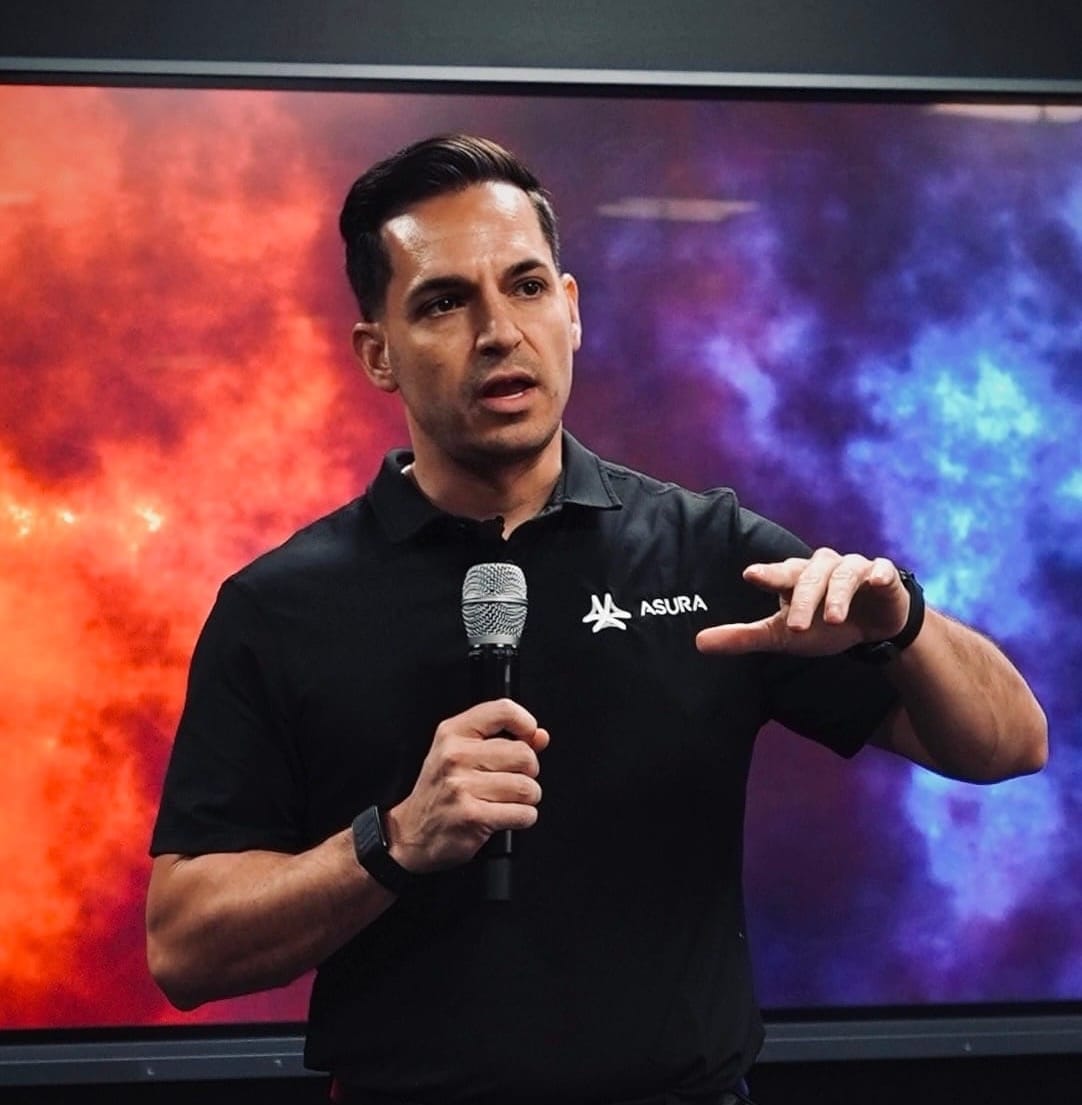

The best F&I managers don’t handle objections; they prevent them from ever surfacing. The Objection Prevention Framework, a system developed and perfected by ASURA Group, shifts the F&I process from a reactive sales pitch into a proactive, consultative experience. This framework, built on a foundation of credibility and client discovery, ensures that by the time the menu is presented, the client has already bought into the logic of protection, making the "sale" a mere formality. It’s a complete paradigm shift that transforms the F&I office from a place of conflict to a place of consultation. It’s the difference between being a product-pusher and a trusted advisor, and it’s the key to unlocking consistent, top-tier performance.
For too long, the F&I industry has been plagued by an adversarial mindset. We’ve been taught to anticipate objections, to memorize rebuttals, and to engage in a verbal chess match with our clients. But what if that entire approach is flawed? What if, instead of learning how to handle objections, we could create a process where objections rarely, if ever, come up? This is not a fantasy; it is the reality for the Tier-1 operators who have mastered the Objection Prevention Framework. They understand that an objection is not a challenge to be overcome; it is a symptom of a flawed process. It’s a sign that the client does not yet see the value in what is being offered, and that is a failure of the F&I manager, not the client.
Stop Selling, Start Solving: The Core of Objection Prevention
The single biggest mistake F&I managers make is seeing their job as selling products. They walk into the box, armed with a rate sheet and a list of products, ready to pitch. This mindset immediately positions them as an adversary to the client, who has their guard up, expecting a fight. The client is thinking, "What are they going to sell me?" while the F&I manager is thinking, "How can I sell them this product?" It’s a recipe for conflict and objections.
Elite F&I operators—the ones consistently hitting $3,000+ PVR—don’t sell. They solve. They understand that their primary role is not to push vehicle service contracts or tire & wheel protection, but to be a financial consultant for the second-largest purchase a person makes. They are problem-finders and problem-solvers. This requires a fundamental identity shift from a salesperson to a trusted advisor. You are not a product-pusher; you are a Tier-1 professional who provides expert guidance on protecting a major asset.
This is where the concept of the Credibility Bridge comes in. Before you can offer any solution, you must build a bridge of trust and credibility with the client. They need to see you as an expert who is on their side, not a commission-hungry employee of the dealership. This bridge is built through a structured process of discovery and consultation, long before any product is ever mentioned. It’s about demonstrating that you care more about their financial well-being than you do about your commission. When you successfully build this bridge, you earn the right to make recommendations, and those recommendations are received as expert advice, not a sales pitch. This is the essence of the "Protections Not Products" philosophy. You aren’t selling things; you are providing logical solutions to pre-identified problems.
Building the Credibility Bridge starts the moment the client walks into your office. It’s in the way you greet them, the way you structure the conversation, and the way you listen. It’s about being a human being first and an F&I manager second. It’s about empathy, transparency, and a genuine desire to help. The client has just gone through a potentially stressful negotiation process on the sales floor. Your office should be a sanctuary, a place where they can let their guard down and feel like they are being taken care of. When you create that environment, you are not just building rapport; you are building the foundation for a smooth, objection-free F&I process.
The First Pillar: The F&I Client Survey
The foundation of the Objection Prevention Framework is the F&I Client Survey. This is not a needs analysis. A needs analysis is a self-serving tool designed to find an opening to sell a product. The Client Survey, when executed correctly, is a powerful tool of discovery that puts the client's needs and financial situation at the forefront. It's a structured conversation that allows you to understand their driving habits, their financial goals, and their risk tolerance. It's the engine that drives the entire F&I process, and it's your first and best opportunity to prevent objections.
The survey is not a checklist of questions to be rattled off. It's a genuine dialogue. As I detail in my post on the F&I Client Survey, this process is about uncovering the 'why' behind the 'what'. When a client tells you they drive 15,000 miles a year, the amateur asks, "Okay, 15,000 miles." The Tier-1 Operator asks, "What does that driving typically look like? Is that mostly highway, city, or a mix?" This level of detail demonstrates that you are listening, that you care, and that you are gathering the necessary information to make an informed recommendation. It’s this process that allows you to build a logical case for protection that is tailored specifically to the client sitting in front of you.
"The Client Survey is where you earn the right to make a recommendation. It's where you transition from salesperson to trusted advisor. Skip this step, or do it poorly, and you will be fighting objections for the rest of the conversation." - Adrian Anania
During the survey, you are not just gathering data; you are planting seeds. When you ask about their previous ownership experiences, you are subtly prompting them to recall unexpected repairs or costs. When you ask about their plans for the vehicle, you are helping them to visualize their future with it. Each question is strategically designed to lead the client to their own conclusions about the need for protection. By the end of the survey, the client should have a clear understanding of their own risk exposure, and you should have a clear understanding of their specific needs. This is the first and most critical step in making objections irrelevant.
For example, instead of asking, "Are you interested in a vehicle service contract?" you ask, "The manufacturer’s warranty on this vehicle is for 3 years or 36,000 miles. Based on your driving habits, it looks like you’ll be out of warranty in about two and a half years. What’s your plan for covering the cost of repairs after that?" This is not a sales question; it’s a logical, consultative question that forces the client to confront the reality of their future financial exposure. You are not selling them a product; you are helping them to identify a problem that you can then help them solve. This is the art of planting seeds, and it is a skill that every Tier-1 operator must master.
The Second Pillar: The Financial Snapshot
Once you have completed the Client Survey, the next step is to create the Financial Snapshot. This is another critical tool in the Objection Prevention Framework, and it’s where you begin to translate the information gathered in the survey into a clear, undeniable financial picture for the client. The Financial Snapshot is a simple, powerful visual that lays out the client's payment options and, more importantly, contextualizes the cost of protection in a way that makes it logical and easy to understand. As I explain in depth in my article on the Financial Snapshot Tool, this is not a sales tool; it is a clarity tool.
The traditional F&I process introduces protection options on the menu, where they are presented as significant additional costs. This is a recipe for payment shock and objections. The Financial Snapshot, however, introduces the concept of protection much earlier in the conversation, and it does so in the context of the client's overall financial picture. By presenting a range of payment options—from a base payment without protection to a fully protected payment—you are able to frame the cost of protection as a small, manageable monthly investment, rather than a large, intimidating lump sum. This reframing is critical. It shifts the client's thinking from "How much does this cost?" to "Which payment option makes the most sense for me?"
The beauty of the Financial Snapshot is its simplicity. It’s not a complex spreadsheet or a confusing array of numbers. It’s a clear, concise summary of the financial realities of the vehicle purchase. It allows you to have a transparent conversation about payments and protection before you ever get to the menu. This proactive approach to financial transparency builds immense trust and credibility. It demonstrates that you are not trying to hide anything or sneak anything past the client. You are laying all the cards on the table, and you are doing so in a way that empowers the client to make an informed decision. When the client sees that the cost of full protection is only a small fraction of their overall monthly payment, the logic of that protection becomes undeniable. The objection is prevented because the value has been established long before the "sale" has even begun.
Think about the traditional F&I process. The client agrees to a monthly payment on the sales floor, and then they come into your office, and you try to add hundreds of dollars to that payment. Of course they are going to object! You are breaking the trust that has been built. The Financial Snapshot avoids this by integrating the cost of protection into the initial payment conversation. It’s a seamless transition that feels natural and logical to the client. It’s the difference between a surprise attack and a collaborative planning session. And it’s a critical component of the Objection Prevention Framework.
The Third Pillar: The Responsibility Transfer
The Responsibility Transfer is the psychological turning point in the Objection Prevention Framework. It's the moment where you shift the ownership of the decision—and the consequences of that decision—from your shoulders to the client's. This is not a high-pressure closing tactic; it's a simple, direct, and respectful acknowledgment of reality. You have done your job as a consultant. You have conducted a thorough Client Survey, you have presented a clear Financial Snapshot, and you have made a professional recommendation based on the client's specific needs and circumstances. Now, the decision is theirs. The Responsibility Transfer is the verbal confirmation of this reality.
This is where so many F&I managers falter. They get to the end of their presentation, and they start to feel the pressure. They get nervous, and they start to backpedal. They say things like, "So, what do you think?" or "Is that something you'd be interested in?" These weak, open-ended questions invite objections. They signal a lack of confidence in your own recommendation, and they put the client on the defensive. The Responsibility Transfer, in contrast, is a confident, declarative statement that presupposes the logic of your recommendation. It's a simple, powerful phrase that sounds something like this:
"Based on everything we've discussed, I'm going to recommend the Tier-1 protection package. This will ensure that you are fully protected from the unexpected costs of mechanical breakdowns, tire and wheel damage, and all the other risks we've identified. The only thing I need from you is your authorization right here."
This is not a question. It's a statement. You are not asking for their opinion; you are telling them what you, as the expert, recommend. And then, you are silent. You slide the paperwork across the desk, you point to the signature line, and you wait. This silence is critical. It's in this moment that the Responsibility Transfer takes place. The client is now faced with a clear choice: they can either accept your professional recommendation and sign, or they can decline it and, in doing so, accept the full financial responsibility for any future repairs or losses. There is no room for negotiation or debate. The decision is theirs, and the consequences are theirs. This is the essence of the Objection Prevention System. It's not about forcing a sale; it's about creating a situation where the logical choice is to say yes.
The psychology behind the Responsibility Transfer is powerful. As human beings, we are wired to avoid risk and to seek expert guidance. When you, as the F&I professional, confidently and clearly state your recommendation, you are positioning yourself as that expert. And when you transfer the responsibility of the decision to the client, you are forcing them to confront the potential consequences of not following your advice. It’s a moment of truth, and it’s a moment that you, as the Tier-1 operator, must control. It’s not about being pushy or aggressive; it’s about being a confident, credible, and authoritative professional who is guiding your client to the right decision.
The Final Piece: The Menu Presentation
The menu presentation is the final step in the Objection Prevention Framework, but it should also be the easiest. If you have executed the first three pillars correctly—the Client Survey, the Financial Snapshot, and the Responsibility Transfer—the menu presentation is simply a formality. It’s the final confirmation of the decisions that have already been made. The purpose of the menu is not to sell the client on the value of protection; that work has already been done. The purpose of the menu is to provide a clear, simple, and transparent summary of the protection options available, and to allow the client to select the package that best suits their needs. As I discuss in my post on how to go from $1,200 to $3,000 per copy, the menu is a tool of confirmation, not a tool of persuasion.
The key to an effective menu presentation is simplicity. A cluttered, confusing menu with too many options will only overwhelm the client and invite questions and objections. A clean, simple, four-column menu with tiered pricing is the most effective way to present the options. This allows the client to easily compare the different levels of protection and to see the incremental cost of each. The goal is to make the decision as easy as possible for the client. You are not trying to trick them or confuse them; you are trying to guide them to the logical conclusion that you have already established.
When you present the menu, you should do so with confidence and conviction. You have already made your recommendation, and you have already transferred the responsibility of the decision to the client. Now, you are simply presenting the options in a clear and concise format. You should walk the client through each option, briefly reiterating the benefits of each, but you should not be trying to re-sell them on the concept of protection. The sale has already been made. The menu is simply the paperwork. This is the final step in a process that has been designed from the very beginning to prevent objections, not to handle them. It’s a system that, when executed correctly, will not only increase your PVR but will also create a more positive and professional experience for your clients. And that is the ultimate goal of any Tier-1 F&I operator.
Remember, the menu is a visual aid, not a script. You should not be reading from it like a robot. You should be having a conversation with your client, using the menu as a reference point. Your tone should be confident and relaxed. You are not a salesperson trying to close a deal; you are a consultant confirming the details of a decision that has already been made. This is the final, and perhaps most important, demonstration of your professionalism and your commitment to the Objection Prevention Framework. It’s the culmination of a process that is designed to make the F&I experience better for everyone involved.
Key Takeaways
- Shift Your Identity: Stop thinking of yourself as a salesperson. You are a financial consultant, a problem-solver, and a Tier-1 professional. Your primary role is to provide expert guidance, not to push products.
- Master the Client Survey: The F&I Client Survey is the foundation of objection prevention. It's a structured dialogue where you earn the right to make a recommendation by uncovering the client's specific needs and risks.
- Leverage the Financial Snapshot: Use the Financial Snapshot to introduce the concept of protection early and to frame the cost as a small, manageable monthly investment. This tool provides clarity and builds trust.
- Execute the Responsibility Transfer: Confidently state your professional recommendation and then transfer the ownership of the decision to the client. This is a powerful psychological moment that eliminates the need for high-pressure closing tactics.
- Keep the Menu Simple: The menu presentation should be a simple confirmation of the decisions that have already been made. Use a clean, four-column menu to present the options clearly and concisely.
- Build the Credibility Bridge First: Before you can offer any solutions, you must build a bridge of trust and credibility with the client. They need to see you as an expert who is on their side.
- Silence is a Powerful Tool: After you've made your recommendation and transferred responsibility, be silent. Let the client make their decision without pressure or unnecessary chatter.
Frequently Asked Questions
What is the Objection Prevention Framework?
The Objection Prevention Framework is a proprietary system developed by ASURA Group that shifts the F&I process from a reactive, sales-focused approach to a proactive, consultative one. It is designed to eliminate objections before they arise by building credibility, conducting thorough client discovery, and presenting protection as a logical solution to pre-identified needs.
How is the F&I Client Survey different from a needs analysis?
A traditional needs analysis is a self-serving tool designed to find an opening to sell a product. The F&I Client Survey, in contrast, is a genuine dialogue focused on understanding the client's driving habits, financial goals, and risk tolerance. It is a tool of discovery that puts the client's needs first and forms the foundation of a professional recommendation.
Why is the Financial Snapshot so important?
The Financial Snapshot is critical because it reframes the cost of protection. By introducing it early in the process and presenting it as a small, manageable part of the client's monthly payment, it prevents the payment shock that often leads to objections. It is a tool of clarity and transparency that builds immense trust.
What if the client says "no" after the Responsibility Transfer?
If the client declines your recommendation after a properly executed Responsibility Transfer, you have still done your job. You have made a professional recommendation based on a thorough discovery process. The client has made an informed decision to accept the financial risk. At this point, you simply have them sign the necessary waivers and move on. The system is not about forcing a "yes"; it's about ensuring a professional process and a clear decision.
Can this framework work for new F&I managers?
Absolutely. In fact, the Objection Prevention Framework is the ideal system for new F&I managers because it provides a clear, repeatable process to follow. It eliminates the need for high-pressure sales tactics and allows new managers to build their confidence and credibility by focusing on a consultative approach. It is the fastest path to becoming a Tier-1 Operator.
How do I handle a client who is immediately hostile and defensive?
A hostile client is almost always the result of a poor turnover from the sales department. A seamless turnover is crucial for setting the right tone. However, if you do encounter a hostile client, the best approach is to slow down and lean heavily on the Client Survey. By asking thoughtful, professional questions and genuinely listening to their answers, you can often disarm their hostility and begin to build the Credibility Bridge.
Is it really possible to get to a point where you get no objections?
While it's impossible to eliminate objections with 100% certainty, the Objection Prevention Framework will get you as close as humanly possible. When you consistently execute the system, you will find that the vast majority of your clients will see the logic in your recommendations and will agree to the protection they need. The few who do object will do so for reasons that are typically beyond your control.
Where does the menu presentation fit into this framework?
The menu presentation is the final step, but it should also be the easiest. If you have executed the framework correctly, the menu is simply a tool of confirmation, not persuasion. It's a clear, simple summary of the options that allows the client to formally select the protection package that you have already logically established is in their best interest.
Ready to stop fighting objections and start preventing them? The Objection Prevention Framework is just one of the systems we teach in the ASURA Core community. If you are a serious F&I professional who is committed to reaching the top 1% of the industry, I want to invite you to join us. DM me the word "SYSTEM" on Instagram @adriananania and let's talk about how we can help you become a Tier-1 Operator.