

When hiring an F&I manager, prioritize a candidate's process aptitude over their years of experience. A manager with a high aptitude for learning and executing a proven process will consistently outperform a seasoned veteran who is set in their ways and resistant to change. This is because success in the F&I office is not about magic tricks or old-school charm; it's about the disciplined application of a system that works.
The Great Debate: Experience vs. Process Aptitude
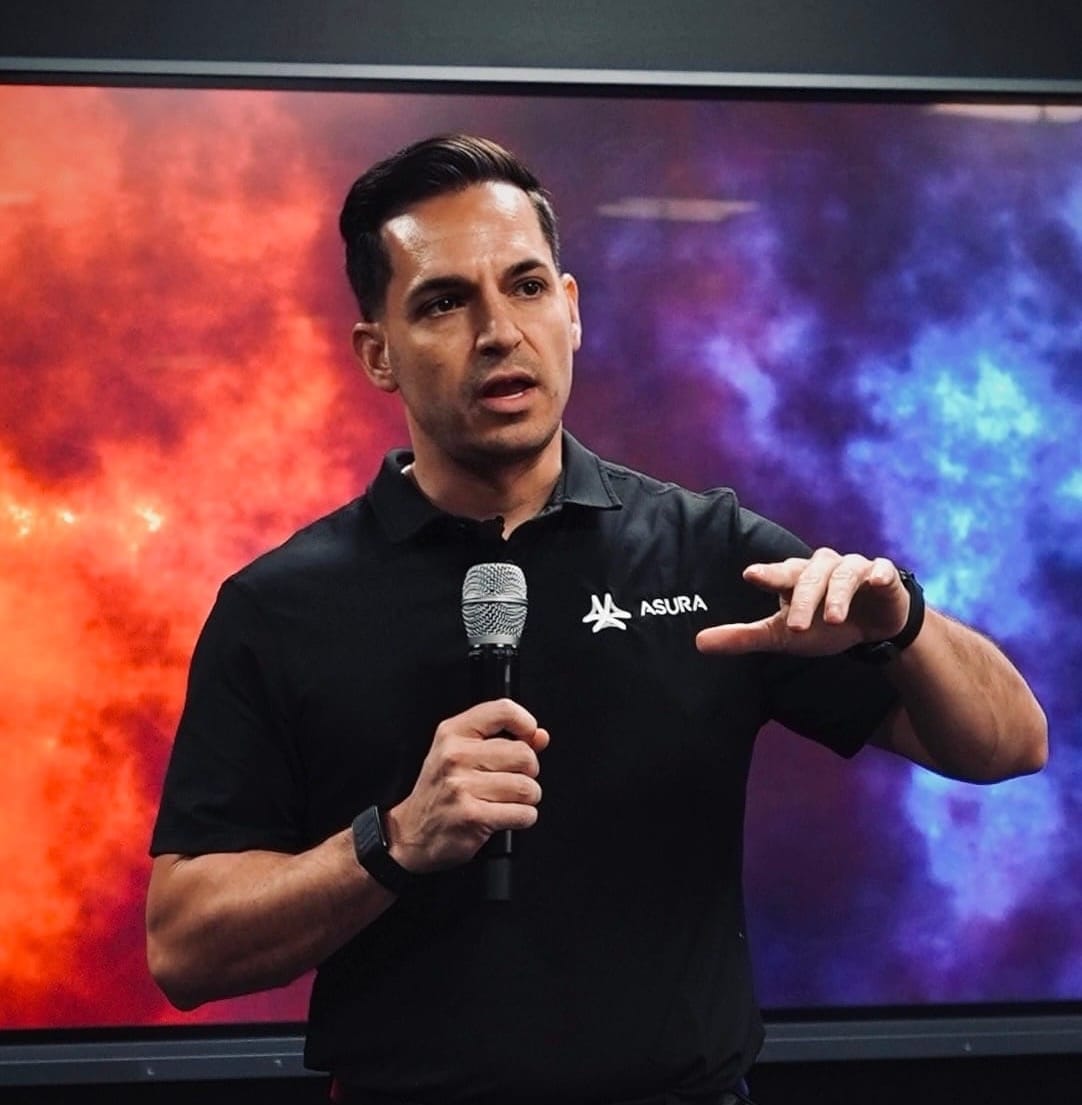
For decades, the automotive industry has been locked in a debate about what makes a successful F&I manager. The prevailing wisdom has always been to hire for experience. The logic seems sound: a manager who has been in the business for years must know what they're doing. They have the relationships, the product knowledge, and the battle scars to prove it. But as Adrian Anania, founder of ASURA Group, will tell you, this is a flawed and outdated approach.
Why the Old Guard Swears by Experience
The old guard of the automotive industry, the dealer principals and general managers who have been in the game for 30+ years, almost exclusively hire based on experience. They look for a resume with a long list of dealerships and a track record of high PVR. To them, experience is a security blanket. It feels safe. They believe that a manager who has been doing the job for a decade or more must have a secret sauce, a black book of tricks that they can bring to the dealership. They see experience as a shortcut to success, a way to plug someone in and have them start producing from day one.
This mindset is understandable. The car business is tough, and the pressure to perform is immense. No one wants to take a risk on an unknown quantity. But the truth is, hiring for experience alone is the biggest risk you can take. It's a gamble that the manager's past success was a result of a sound process, and not just a hot market, a lenient lender, or a charismatic personality that won't resonate with today's customers.
The Hidden Costs of Hiring for Experience Alone
The problem with hiring for experience is that you're not just hiring a person; you're hiring their habits, both good and bad. And in most cases, the bad habits far outweigh the good. A manager who has been in the business for 15 years has likely developed a rigid way of doing things. They have their own process, their own scripts, their own way of presenting protections. They talk about protections not products, but they do it with their own spin, not in a way that is consistent with a proven system. And they are often completely resistant to the idea of changing.
This is where the hidden costs start to add up. You bring in a seasoned veteran, expecting them to hit the ground running, but instead, you spend the next six months battling them on every little thing. They don't want to use your menu, they don't want to follow your sales process, they don't want to use the F&I Client Survey. They want to do things their way, the way they've always done them. And when their numbers don't measure up, they have a million excuses. It's the leads, it's the inventory, it's the lenders. It's never their process.
This is the trap of experience. You hire someone for their past results, but you can't replicate the environment that produced those results. And you're left with a high-priced manager who is not only underperforming but also poisoning the well for the rest of your team. They become a roadblock to progress, a constant source of friction and frustration. And eventually, you have to make the tough decision to let them go and start the hiring process all over again.
Defining Process Aptitude: The Real Predictor of Success
If experience isn't the answer, what is? The key, according to Adrian Anania, is to hire for process aptitude. This is the single most important trait to look for in an F&I manager. It's the one thing that will determine their long-term success in your dealership. But what exactly is process aptitude, and how do you identify it in a candidate?
What is Process Aptitude?
Process aptitude is the ability to learn, internalize, and execute a proven system. It's not about having all the answers; it's about being coachable enough to follow the instructions of someone who does. It's about having the humility to admit that you don't know everything and the hunger to learn from the best. A manager with high process aptitude is a blank slate, a sponge ready to soak up the knowledge and expertise of a Tier-1 operator.
Think of it like this: if you were hiring a pilot, would you rather have someone who has been flying for 20 years but refuses to use a checklist, or a brand-new pilot who follows the pre-flight checklist to the letter every single time? The answer is obvious. The pilot who follows the process is the one you want in the cockpit. The same is true in the F&I office. The manager who follows the process is the one you want in "the box".
The Telltale Signs of High Process Aptitude
So, how do you spot a candidate with high process aptitude? It's not something you'll find on a resume. It's something you have to look for in the interview process. Here are a few of the telltale signs:
- Coachability: They are open to feedback and eager to learn. They ask questions and take notes. They don't get defensive when you challenge their ideas.
- Curiosity: They want to understand the "why" behind the process. They're not just looking for a script to memorize; they want to understand the psychology of the sale.
- Attention to Detail: They are meticulous and precise. They understand that success is in the details, and they don't cut corners.
- Humility: They are willing to admit when they don't know something. They're not afraid to be a beginner again.
- Hunger: They have a burning desire to be the best. They're not just looking for a job; they're looking for a career.
A candidate with these traits is a future Tier-1 Operator in the making. They may not have the experience of a seasoned veteran, but they have something far more valuable: the potential for greatness. They are the raw clay that you can mold into a high-performing F&I manager who will drive your department to new heights.
The ASURA Group Hiring Blueprint: Finding Your Next Tier-1 Operator
Hiring for process aptitude requires a different approach to the hiring process. You can't just post a generic job ad and hope for the best. You have to be strategic and intentional in how you attract, interview, and select your candidates. This is the ASURA Group hiring blueprint, a proven system for finding and hiring your next Tier-1 Operator.
Step 1: The Unconventional Job Ad
The first step is to write a job ad that repels the very people you're trying to avoid: the experienced, set-in-their-ways F&I managers who are looking for a place to coast. Your job ad should be a filter, a magnet for the hungry, humble, and coachable candidates who are a perfect fit for your culture. Here's an example of what that might look like:
F&I MANAGER WANTED: No Experience Necessary
We are looking for a highly motivated and coachable individual to join our team as an F&I Manager. The ideal candidate is a blank slate, someone with a burning desire to learn our proven process for success in the F&I office. We will provide you with all the training, tools, and support you need to become a Tier-1 Operator. If you are a seasoned F&I manager who is set in your ways, please do not apply. We are looking for someone who is hungry to learn, not someone who thinks they already have all the answers.
This ad will scare away the dinosaurs, the managers who are threatened by the idea of having to learn a new way of doing things. And it will attract the very people you want to hire: the up-and-comers, the sales superstars, the BDC reps who are looking for their big break. These are the people with high process aptitude, the ones who will be the future of your F&I department.
Step 2: The Process-Focused Interview
Once you have a pool of qualified candidates, the next step is to put them through a process-focused interview. This is not your typical interview where you ask them about their strengths and weaknesses. This is an interview designed to test their process aptitude. You want to see how they think, how they solve problems, and how they respond to coaching. Here's a word-for-word script for a key interview question you can use:
"I'm going to give you a simple process to follow. I want you to imagine that you are a customer in our dealership. Your salesperson has just introduced you to me, the F&I manager. For this to be effective, you need a Seamless Turnover from sales to F&I. I want you to listen to what I say and then repeat it back to me, word for word. Are you ready?"
"Welcome to the business office. My name is Adrian, and I'll be handling all the paperwork for your new vehicle. Before we get started, I just need to ask you a few questions to make sure we have everything in order. Is that okay?"
This simple test will tell you everything you need to know about a candidate's process aptitude. A candidate with low process aptitude will struggle with this. They will paraphrase, they will stumble, they will get defensive. They will say things like, "I would never say it like that," or "That doesn't sound like me." A candidate with high process aptitude, on the other hand, will nail it. They will listen intently, and they will repeat the script back to you, word for word. They will demonstrate that they can follow instructions and execute a process, which is the most important skill an F&I manager can have.
Step 3: The Process Aptitude Test
The final step in the ASURA Group hiring blueprint is the process aptitude test. This is a practical, hands-on test that will show you once and for all whether a candidate has what it takes to be a Tier-1 Operator. The test is simple: you give the candidate a copy of your menu presentation and a one-page script that explains how to present it. You give them 15 minutes to study the material, and then you have them present the menu to you as if you were a customer.
This test is not about whether they can sell you a protection. It's about whether they can follow a process. You're looking for a few key things:
- Did they follow the script? Did they use the exact language from the script, or did they go off-roading and do their own thing?
- Did they use the menu correctly? Did they present the protections in the right order? Did they explain the benefits clearly?
- How did they handle objections? Did they resort to old-school closing techniques, or did they use the objection-handling framework you provided? Check out our Objection Prevention System for more on this.
A candidate who can take a one-page script and a menu and deliver a competent presentation in 15 minutes is a candidate with high process aptitude. They have proven that they can learn and execute a process, which is the foundation of success in the F&I office. This is the person you want to hire, the person who will become your next Tier-1 Operator.
Onboarding for Success: Turning Process Aptitude into Performance
Hiring a manager with high process aptitude is only half the battle. The other half is onboarding them for success. You can't just throw them in the box and expect them to start producing. You have to have a structured onboarding process that will turn their raw potential into real-world performance. This is how you build a foundation of process that will pay dividends for years to come.
The First 90 Days: Building a Foundation of Process
The first 90 days of a new F&I manager's employment are critical. This is where you will either build a foundation of process or a foundation of bad habits. The key is to focus on process, not PVR. You have to resist the temptation to put pressure on them to produce right away. Instead, you have to have the discipline to train them on your process, day in and day out, until it becomes second nature. Here's what that looks like:
- Week 1: Classroom training. No customers. Just you and the new manager, going over your process from start to finish. The meet and greet, the client survey (which is much more than a needs analysis, it is a Financial Snapshot Tool), the menu presentation, the closing. You role-play every scenario until they have it down cold.
- Weeks 2-4: Supervised practice. The new manager starts taking customers, but you are in the room with them for every single deal. You are their co-pilot, their safety net. You let them lead, but you are there to jump in and save the deal if they get into trouble.
- Weeks 5-12: Independent practice with daily review. The new manager is now flying solo, but you are reviewing every single deal with them at the end of the day. You listen to their recordings, you review their paperwork, you coach them on what they did well and what they need to improve.
This 90-day onboarding process is an investment in your new hire's success. It's a commitment to building a foundation of process that will last a lifetime. It's the difference between hiring a manager who will be a flash in the pan and hiring a manager who will be a long-term asset to your dealership.
The Role of Leadership in Reinforcing Process
The final piece of the puzzle is leadership. As a dealer principal or general manager, it's your job to reinforce the importance of process every single day. You have to be the biggest champion of your process, the one who holds everyone accountable to the standard. This means:
- Inspecting what you expect: You can't just set it and forget it. You have to be actively involved in your F&I department, reviewing deals, listening to recordings, and coaching your managers.
- Celebrating process wins: When a manager follows the process and gets a great result, you have to celebrate it. You have to make a big deal out of it, so everyone knows what is valued in your dealership.
- Having tough conversations: When a manager goes off-roading and does their own thing, you have to have the courage to have a tough conversation with them. You have to let them know that it's not acceptable and that there are consequences for not following the process.
At the end of the day, your F&I department is a reflection of your leadership. If you are committed to a culture of process, your managers will be too. And that is the secret to building a sustainable, high-performing F&I department that will be the envy of your market.
Key Takeaways
- Prioritize process aptitude over experience when hiring an F&I manager.
- Experience can be a liability if it comes with bad habits and resistance to change.
- Process aptitude is the ability to learn, internalize, and execute a proven system.
- Look for coachability, curiosity, attention to detail, humility, and hunger in your candidates.
- Use an unconventional job ad to attract candidates with high process aptitude.
- Conduct a process-focused interview to test a candidate's ability to follow instructions.
- Administer a process aptitude test to see if a candidate can execute your process.
- Implement a 90-day onboarding process that focuses on process, not PVR.
- As a leader, you must be the biggest champion of your process.
Frequently Asked Questions
What is the single most important trait to look for in an F&I manager?
The single most important trait to look for in an F&I manager is process aptitude. This is the ability to learn and execute a proven system, and it is a far better predictor of success than years of experience.
How can I tell if a candidate has high process aptitude?
You can't tell from a resume. You have to test for it in the interview process. Look for signs of coachability, curiosity, and attention to detail. Give them a simple process to follow and see if they can execute it.
Should I ever hire an F&I manager with no experience?
Absolutely. In fact, it's often preferable. A candidate with no experience is a blank slate, free of the bad habits that plague so many seasoned veterans. They are easier to train and more likely to embrace your process.
What is the biggest mistake dealers make when hiring F&I managers?
The biggest mistake is hiring for experience alone. They get seduced by a resume with a long list of dealerships and a track record of high PVR, and they fail to see the underlying issues that will ultimately lead to failure.
How long does it take to train a new F&I manager?
With a structured onboarding process, you can have a new manager up and running in 90 days. The key is to focus on process, not PVR, and to provide them with the coaching and support they need to succeed.
What is the role of leadership in building a high-performing F&I department?
Leadership is everything. As a dealer principal or general manager, you have to be the champion of your process. You have to inspect what you expect, celebrate process wins, and have the tough conversations when necessary.
Where can I learn more about the ASURA Group's process for F&I success?
The ASURA Group offers a variety of training programs and resources for F&I managers who want to become Tier-1 Operators. You can learn more by visiting our website or by joining our exclusive community, ASURA Core.
Ready to build a team of Tier-1 F&I Operators? It starts with hiring the right people. Stop gambling on experience and start investing in process aptitude. If you're ready to implement a proven system for hiring, training, and managing your F&I team, DM "SYSTEM" to Adrian Anania on Instagram. Join the ASURA Core community and get access to the tools, training, and support you need to build a world-class F&I department.