

Most Managers Present VSA Coverage as a Price Decision. It's Not.
Most F&I managers present VSAs like they're a single product with different price points. They're not. There are two fundamentally different types of vehicle service agreements, and they operate on completely different claim logic. The problem is that most managers present both options under the same umbrella—"coverage" or "service agreement"—without explaining the structural difference between them. The customer, hearing no distinction, defaults to the only information that matters to them: which one costs less.
This is a presentation failure, not a customer failure. When a customer understands the claim-day difference between VSA and named peril coverage, the conversation shifts from price to protection. The choice becomes about which protection actually fits their driving pattern, their mileage, their term length, and their risk tolerance. Not about saving fifty dollars on the menu.
This post walks you through the structural difference, why it matters, and the specific language that makes it clear in 60 seconds—without jargon, without confusion, and without losing the customer halfway through.
The Structural Difference Between VSA and Named Peril
A vehicle service agreement comes in two structural flavors. The first is exclusionary coverage—sometimes called VSA or comprehensive coverage. This type of agreement covers everything on the vehicle except the specific components listed as excluded. The excluded list is short: wear items like brake pads, wiper blades, air filters, spark plugs, and a handful of wear-and-maintenance items. Everything else is covered. Transmission fails at 45,000 miles? Covered. AC compressor goes out? Covered. Water pump at 70,000 miles? Covered. Engine block cracks? Covered. The logic is simple: if it's not on the excluded list, it's covered.
The second type is named peril coverage—also called stated component coverage. This agreement covers only the specific components listed in the contract. The customer reads the list: transmission, engine, rear differential, fuel pump, compressor, alternator, maybe a handful of others. Everything listed is covered. Everything not listed is not covered. A transmission claim is covered. An electrical short that kills the entire dashboard? Not on the list—not covered. A water pump? Not listed—not covered. The logic is the opposite of VSA: if it's not on the included list, it's not covered.
This structural difference creates a massive gap in coverage depth. VSA typically covers 200+ components and systems. Named peril covers 8–15 specific items. When presented as menu options at different price points, most customers choose named peril—it's cheaper. But claim-day math is different from menu-day math.
Here's the real-world difference. A customer with VSA coverage gets a check engine light at 58,000 miles. Dealership runs diagnostics: faulty oxygen sensor—not covered under exclusions (wear items only), so it's approved immediately. The customer pays the deductible, and the claim is processed. With named peril coverage, the same failure happens. The customer brings the car in. Dealership runs the same diagnostic. Oxygen sensor is not on the named peril list. The customer calls the VSA provider. "Is oxygen sensor covered?" Answer: "No, it's not listed in your agreement." The customer now has two choices: pay out of pocket, or dispute the claim. The conversation on claim day is completely different.
Most customers don't understand this distinction going in. They see two numbers on the menu. They choose the lower number. Six months later, when the claim gets denied because it's not on the list, they're angry—not because they made a bad choice, but because the manager never explained what choice they were actually making.
Where Most Managers Lose the Customer
The communication failure happens in the menu moment. The manager opens the menu, shows two VSA options, and presents them like this: "We have service agreement coverage at this price point, and comprehensive coverage at this price point." Or: "Here's full coverage, and here's basic coverage." The words sound different, but the customer hears the same category twice—both are "coverage." The only variable that registers is price.
This happens because most managers don't know the structural difference themselves. They've been told "VSA has higher acceptance, named peril has lower acceptance, we offer both at different margins." They treat VSA and named peril as a price-point strategy, not a coverage-structure conversation. The customer takes the cue and makes a price decision.
The second reason customers lose interest is that most VSA presentations are feature-focused, not benefit-focused. "This covers the transmission, the engine, the differential..." The customer hears a list. Lists are forgettable. By the time the manager gets to the fourth item, the customer has mentally checked out. What sticks is price. And if price is all that registered, price is the decision lever.
The third reason is that managers rarely connect the coverage choice to the customer's actual driving profile. A customer who has a 90-minute highway commute with 28,000 projected annual miles has a different VSA conversation than a customer with a local 12,000-mile-per-year commute. Mileage exposure, term length, and claim probability should all factor into which protection actually fits. Instead, most customers hear two generic options and price themselves into the cheaper one.
The fourth reason is timing. By the time the VSA conversation opens, the customer has already made a mental choice: buy the car, get out. The VSA menu is an afterthought. If the manager doesn't reset context before presenting the options—showing why the conversation matters in the first place—the customer will choose the option that gets them out fastest. That's the cheaper one.
The Language That Makes the Difference Clear
The explanation that works doesn't require technical jargon or a five-minute lecture. Sixty seconds of clear framing before you show the options changes everything. Here's the language:
"There are two different types of service agreement we offer, and they work completely differently on claim day. One covers everything except a short list of wear items—so if something breaks that's not normal wear, it's covered. The other covers only the specific parts we list—so transmission is covered, engine is covered, but if something else fails and it's not on that list, it's not covered. Same month, two different agreements, one claim gets approved and the other one doesn't. Let me show you what that actually looks like, because it's why one costs more than the other."
That explanation takes 45 seconds. It answers the "why does one cost more?" question before the customer asks it. It frames the choice as structural, not arbitrary. Now when you show the options, the customer isn't choosing based on price—they're choosing based on claim-day logic.
After the initial framing, the comparison language works like this: "The comprehensive agreement—the one that covers everything except wear—is what most customers choose, especially if you're going to own this car past the warranty. You're covered for the big repairs and the small ones. Engine, transmission, electrical, air conditioning, all of it. What's not covered is stuff that wears out no matter what you do—brake pads, filters, wipers, stuff like that."
Then pivot to the second option: "The named peril agreement costs less because it covers a specific list. So transmission, engine, differential—those are covered. But something outside that list fails, and it's not covered. It's a narrower protection, which is why it has a narrower price."
Notice what these explanations do: they frame VSA as the standard, broader choice. They don't position named peril as "cheap coverage" or "basic coverage"—they position it as "narrower protection at a narrower price." That framing matters. It prevents the customer from feeling like they're getting shortchanged by going with named peril, while also making it clear why VSA is the more common choice.
The final step is connecting it back to their situation. "Given that you're financing this for six years and you're planning to keep it past the warranty, the comprehensive agreement is where most customers end up—the claim-day math just works better for you." This isn't pressure. It's logic. You're stating the reason most customers make this choice without telling them what to choose.
The Survey Question That Sets Up the VSA Conversation
The VSA presentation works or fails based on what you learned during the client survey—before you ever sit down to present the menu. The right survey questions give you context to make the VSA recommendation specific to this customer's situation, not generic to every customer.
The survey on the showroom floor should establish three things: projected annual mileage, ownership timeline, and driving profile. Here's how to get that:
"How many miles do you typically put on a vehicle in a year?" This number tells you exposure. A customer projecting 28,000 miles annually has different protection needs than a customer at 8,000 miles. High mileage increases the probability of mechanical failure simply because more wear is happening. When you present VSA to a high-mileage customer, you're connecting it to their actual risk. "You're looking at six years and probably 150,000 miles on this car by the time you're done. That's a lot of stress on the transmission and engine. The comprehensive agreement covers that stress."
"How long do you typically keep a vehicle?" This one matters hugely. A customer keeping the car four years has a different conversation than a customer keeping it eight years. The longer the ownership, the higher the probability that something outside the original warranty fails. VSA makes more sense as ownership extends. "You're planning to keep this past the factory warranty. That's when repairs start getting expensive. The service agreement protects you for years three through six, when you're most vulnerable."
"What kind of driving—mostly highway commute, around town, mixed?" This tells you the stress pattern. Highway commuting means sustained engine and transmission stress. City driving means stop-and-go stress on different components. You use this in the recommendation. "You've got that 90-minute highway commute both directions. The transmission and engine are going to see a lot of load. This agreement covers both, plus everything else."
Once you have these three data points, your VSA presentation isn't generic—it's specific to this customer's actual risk profile. Named peril might be the customer's price choice, but when you show them they're financing for six years and putting 28,000 miles annually, the math shifts toward VSA. You're not pressuring. You're showing why VSA makes sense for their situation.
How to Handle "I'll Just Take the Cheaper One"
The customer looks at the menu and says, "I'll just take the cheaper one." This is predictable. It happens because you haven't yet connected the choice to consequence. Most managers respond with pressure: "You really should do the full coverage" or "Most customers do the comprehensive." Pressure doesn't work. Consequence does.
The response that works is this: "I get that—it costs less. But let me show you what that actually means when something breaks. You pick the named peril, something electrical fails that's not on the list, and it's a $2,000 repair out of pocket. That's when the choice matters. The difference in what you're paying for protection today is usually forty or fifty dollars a month. The repair if something goes wrong costs ten times that. So it's really a question of whether you want that protection for the monthly payment, or you're comfortable with the risk of that larger bill later."
This response does three things. First, it quantifies the difference between the two options—not in price, but in claim exposure. Second, it makes the consequence real ("$2,000 repair out of pocket") instead of abstract. Third, it reframes the decision from "price" to "risk tolerance." You're not saying "do the better coverage." You're saying "understand what you're trading."
Some customers will still choose named peril. That's okay. You've explained the difference. You've shown them the consequence. They made an informed choice. But most customers, once they understand that the named peril agreement covers exactly eight components and the VSA covers everything else, and they understand that means a large out-of-pocket repair if something goes wrong, will upgrade. Not because of pressure, but because the logic shifts once they understand the structure.
If the customer is financing through a lender with specific VSA requirements or restrictions, this is also where you add clarity. "Your lender actually requires comprehensive coverage anyway—they want the same protection we're offering you. So the named peril option isn't available for your financing, which means we're going with the agreement that covers everything except wear items." This removes choice and frames it as a requirement, not a sales decision. Most customers are fine with this because they're not feeling pressured—it's just part of the financing structure.
Why Most Managers Present VSAs as a Price Decision
Reason 1: Margin Strategy — VSA and named peril have different gross margins for the dealership. Named peril has a lower cost and lower margin, but it sells faster. VSA has higher margin but takes slightly more presentation. Some F&I departments are incentivized on margin dollars, not on what's right for the customer. So the menu presentation doesn't distinguish—it just presents both and lets price sell. This is a training and compensation structure problem, not a customer problem.
Reason 2: Speed Over Accuracy — The menu moment feels like it needs to move fast. Customer's tired, deal is almost done, let's get through the VSA menu in two minutes and move on. If the manager doesn't have a clear explanation ready, they default to presenting options without explaining why they exist. The customer fills in the gap with price comparison and that's the decision. The manager never slowed down long enough to reset context.
Reason 3: Lack of Clarity Among Managers — Many F&I managers themselves don't fully understand the structural difference between VSA and named peril. They know one has higher acceptance and one has lower acceptance. They know one costs more. But they haven't worked through what the claim-day difference actually means. You can't explain clearly what you don't understand clearly. So the presentation stays generic: "Here's coverage, here's coverage, pick one."
Reason 4: No Survey-to-Menu Connection — The survey happens, but the VSA recommendation isn't tied to what the survey revealed. The customer tells you they drive 25,000 miles a year, and then five minutes later you present VSA options like they're the same recommendation for every customer. The customer doesn't see why the conversation matters to them specifically. Without that connection, they revert to price.
How to Reset Your VSA Presentation Starting Monday
Step 1: Memorize the 60-Second Explanation — Write it down. Read it three times. Practice it until you can deliver it without notes. This is the framing that changes everything. "There are two different types of service agreement we offer, and they work completely differently on claim day..." Get this language muscle-memory tight. It's your reset button for the entire VSA conversation.
Step 2: Add Three Survey Questions Before the Menu Opens — Projected annual mileage, ownership timeline, driving profile. These three data points let you present VSA as specific to this customer's situation, not generic. Write them into your survey. Ask them before you move to the menu. Use the answers to frame the recommendation.
Step 3: Stop Calling Them "Options" and Start Calling Them "Structures" — When you present VSA and named peril, name the structural difference. "The comprehensive agreement covers everything except wear. The named peril agreement covers only the listed components." You're training the customer's brain to think about coverage structure, not price points. Language matters.
Step 4: Quantify the Claim-Day Difference — Before you show the menu, use a real example. "If something electrical fails that's not on the list, it could be a $1,500 to $2,500 repair out of pocket. That's the difference between these two agreements." Don't use fake examples. Use what you've actually seen in claims. Make the consequence real.
Step 5: Practice the "Cheaper One" Response — Write down the response to "I'll just take the cheaper one." Practice it. Deliver it without defensive energy. You're reframing from price to risk tolerance, not arguing for VSA. "The difference in monthly payment is about fifty dollars. A repair outside the agreement is ten times that. It's a question of whether you want that protection for the monthly payment, or you're comfortable with the risk." Get the response so solid you can deliver it naturally.
Frequently Asked Questions
What's the actual difference in price between VSA and named peril?
It varies by manufacturer and term length, but typically VSA costs 40–60 dollars more per month than named peril. Over a six-year finance term, that's $2,880 to $4,320 total. A single major repair outside named peril coverage—transmission, engine, electrical—typically costs $1,500 to $3,000 out of pocket. The price difference is usually recovered with one claim.
Why would a customer ever choose named peril if VSA is better?
Named peril isn't "worse"—it's narrower protection at a narrower price. Some customers are budget-constrained and the fifty-dollar monthly difference matters to their cash flow. Some customers are trading down from a higher-priced vehicle and want to keep their payment down. Some customers finance for a shorter term and feel comfortable taking the risk. The key is that once they understand the structural difference, the choice is informed, not accidental.
If a lender requires comprehensive coverage, do I need to explain the difference?
No, but you should clarify. "Your lender requires comprehensive coverage as part of your financing, so that's what we're setting up for you." This removes choice and frames it as a requirement. Most customers appreciate this because it's not a sales decision—it's a financing structure. It also prevents the customer from feeling like you're pressuring them. The decision was made for them by the lender.
How do I know which protection to recommend for this specific customer?
Use the survey data. High annual mileage (20,000+), longer ownership timeline (six+ years), and highway commuting all point toward VSA. These customers have higher mechanical stress and longer exposure windows. Lower annual mileage (under 12,000), shorter ownership (three to four years), and city driving are more compatible with named peril risk tolerance. But even then, the recommendation should be "based on your situation, VSA is what most customers in your profile choose," not "you have to do VSA."
What if a customer asks what happens if they skip service agreements entirely?
That's a different conversation—one you have before the menu, during the survey. "Once the factory warranty ends in three years, all repairs come out of your pocket. We're talking transmission, engine, anything mechanical. That's anywhere from three hundred dollars to five thousand for major components. The service agreement covers that for you." Most customers choose some form of VSA once they understand the warranty gap. If they choose neither, that's their choice—but they made it with full consequence awareness.
Can a customer upgrade from named peril to VSA later?
Not typically. Service agreements are sold at the point of sale. Once the customer drives off with named peril coverage, they're locked into that structure. They can't upgrade mid-term because the risk profile has changed (mileage has increased, the car is older, failure probability is higher). This is why the presentation matters so much. The customer isn't choosing today and reconsidering in year two. This is the choice.
What are the most common claims that separate VSA from named peril coverage?
Electrical failures (dashboard shorts, BCM failures, sensor malfunctions), air conditioning compressor and refrigerant failures, water pump failures, fuel pump failures, and miscellaneous sensor and control module failures. These are common in the 50,000 to 100,000 mile range. They're expensive ($1,000 to $2,500), they're not wear items, and they're not always on a named peril list. VSA covers them. Named peril often doesn't. This is the real-world separation that matters on claim day.
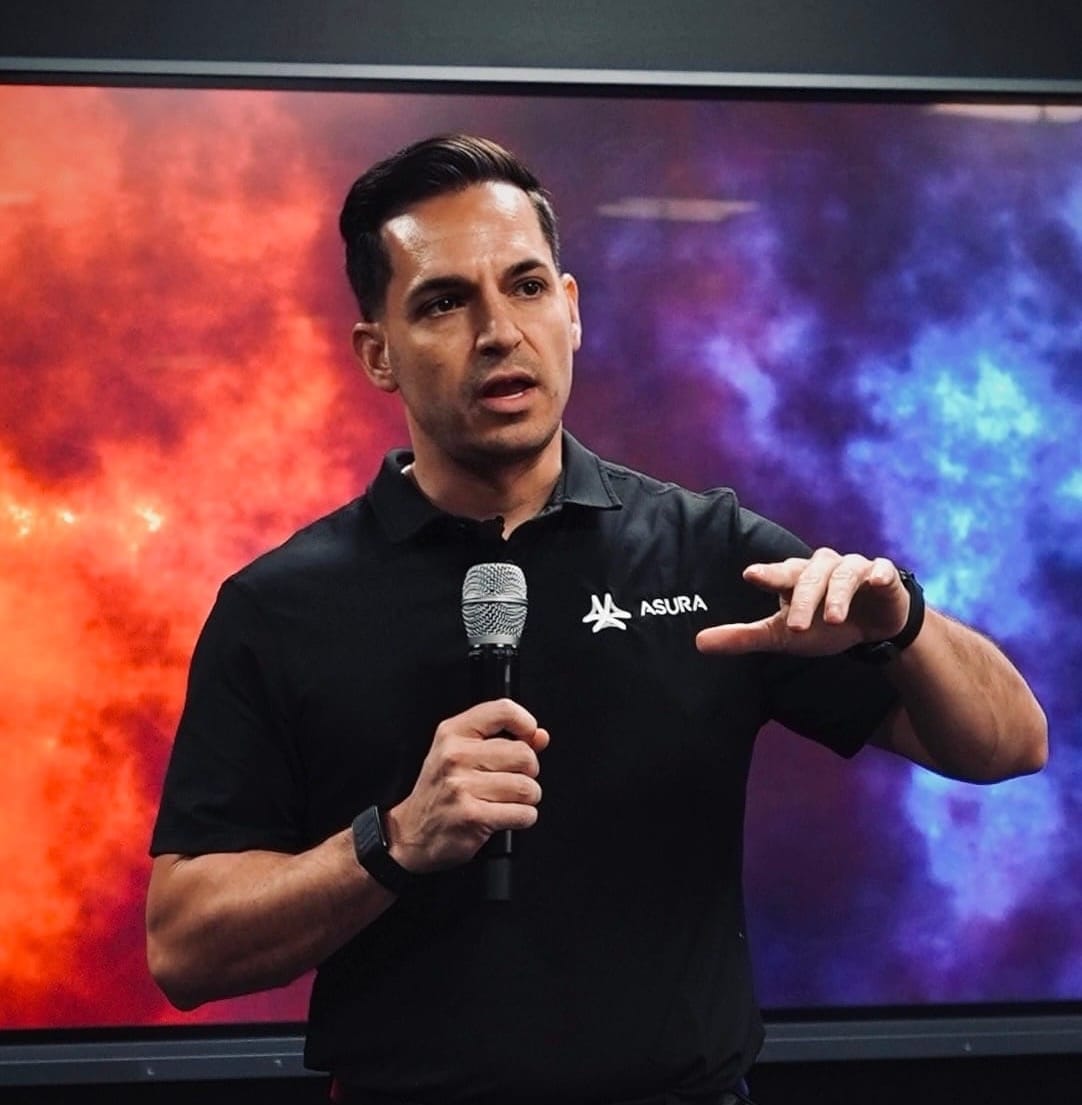
Adrian Anania is the VP of Performance and Operations at ASURA Group. He has coached F&I managers and directors at more than 200 franchised dealerships nationwide, generating over $200 million in found revenue for his clients. The VSA conversation that works leads with coverage structure, not cost.